
Deep Tissue Massage
What is Deep Tissue Massage?
Deep tissue massage targets chronic muscle tension that lies far below the body’s surface. Deep muscle techniques involve slow strokes, direct pressure, or friction movements across the muscle grain.
What to Expect from Deep Tissue Massage?
If you’re wondering what happens in a deep tissue massage, here are the key stages:
- Discussion: Like any treatment, you should discuss what you hope to achieve with your therapist before the massage begins and involves signing an 'Informed Consent' form, a legal requirement.
- Muscle preparation: Your therapist will likely start warming up your muscles by applying oil and light pressure to the areas they'll be working on.
- Stripping: This technique uses thumbs, knuckles, forearms, or elbows. During this phase, you'll feel a gliding pressure along the fibers of your muscles.
- Friction: Here, pressure is applied across the grain of your muscles to realign tissue fibers and release any adhesions (areas of rigid tissue) that cause discomfort.
Expect to be asked to breathe deeply when the person treating you is working on incredibly tight or deep areas of your muscles. It’s common to feel discomfort at the time of massage itself. You can also expect to experience some stiffness and soreness in the day or so following your deep tissue massage.

Does Deep Tissue Massage Hurt?
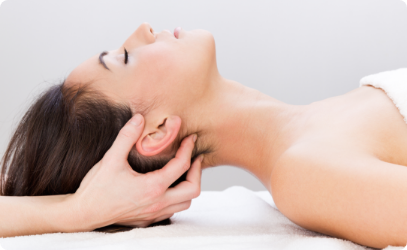
Deep tissue massages may cause discomfort or slight pain in the areas causing you trouble. Discomfort is usual with this type of massage therapy. Most clients say it’s a “good hurt” where it’s a little uncomfortable but feels good at the same time.
How Long Does the Tissue Massage Take

A deep tissue massage is a long process of relaxing muscles so the massage therapist can reach the lower layer of connective tissue. It involves applying sustained pressure using slow, deep strokes to target the inner layers of muscles and connective tissues. Your bi-weekly massage should be 75 to 90 minutes long.
How deep tissue massage works?
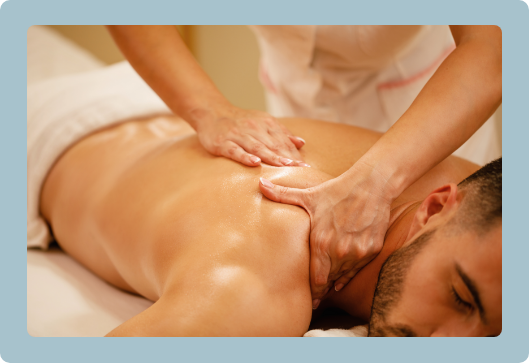
- Chronic muscle tension or injury usually involves adhesions (bands of painful, rigid tissue) in muscles, tendons, and ligaments. Adhesions can block circulation and cause pain, limited movement, and inflammation. Deep tissue massage physically breaks down these adhesions to relieve pain and restore normal movement. Massage therapists will use their fingers, thumbs, or occasionally even elbows to apply the needed pressure.
Who Should Get a Deep Tissue Massage?
Deep tissue massage is best suited for people with high physical activities, such as running, or those with an injury or chronic pain.
Swedish massage is gentler and may be a better option if you have a low pain threshold or are looking for relief from tense muscles.
Benefits of Deep Tissue Massage?
- Deep tissue massages have benefits for both your physical and mental health. Massages will benefit the receiver, making them an easy way to relax and treat your medical issues.
- Deep tissue massage is a great stress reliever. Whether you are experiencing stress at home or work, getting a massage is a great way to unplug and relax for an extended time.
- There are several conditions that deep tissue massage therapy can treat. Chronic pain in the lower back, plantar fasciitis, fibromyalgia, and stiff necks can all be treated with massage therapy.
- Deep tissue massage reduces stress and tension, which impacts blood pressure. Massage has positive impacts on systolic, diastolic, and arterial blood pressure. The massage can also increase serotonin production, promoting good feelings and happiness.
Frequently Asked Questions
Is deep tissue massage good or bad?
Deep tissue massage can effectively treat various conditions, including sports injuries and back pain.
What are the three types of massage?
There are three main massage techniques that you’ll find used by all of the pros, and they all serve different functions. You’ll most often see the Swedish massage, the Deep Tissue massage, and the Sports massage offered at a professional massage studio near you.
What is the best massage technique?
- Kneading. Kneading comes to mind the most when thinking about top massage techniques.
- Stroking. Stroking is another common and well-known massage technique.
- Face and Neck Rubbing.
- Tapping.
- Vibrating
How many sessions of deep tissue massage?
You may seek deep tissue massages for pain daily, a few times a week, or a few times a month.